
Why Food Plots Get Overbrowsed
You've probably seen it before. A food plot starts off looking great. The seed germinates, the stand establishes, and everything seems to be heading in the right direction.
Then a few weeks later, it looks like the deer have declared war on it. Plants are chewed down to the dirt, growth stalls, and the plot never seems to gain any momentum.
At first, many hunters assume something is wrong with the seed. Ironically, the opposite is often true. In many cases, overbrowsing is a sign that deer really like what you've planted.
The problem is that the plot can't keep up with the demand.
What is Overbrowsing?
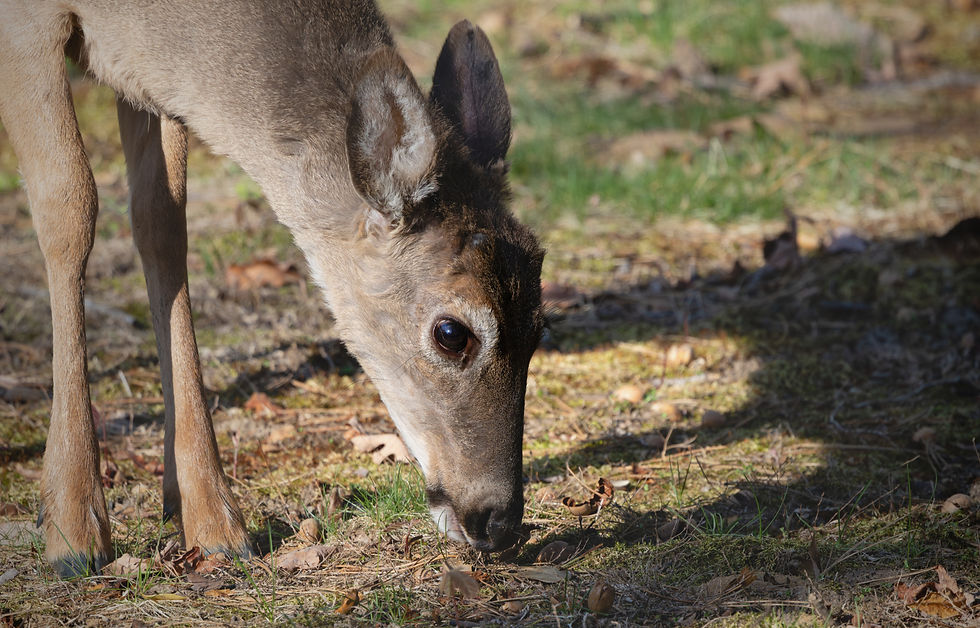
Overbrowsing happens when deer consume forage faster than it can recover and continue growing. Every food plot has a carrying capacity. When the number of deer using the plot exceeds what the forage can support, the plants never get a chance to fully establish.
Instead of growing, they're constantly trying to recover from browsing pressure.
The result is a plot that looks stunted, thin, and disappointing despite having plenty of deer activity.
Small Plots Face the Biggest Challenge
This is probably the most common cause of overbrowsing. A quarter-acre plot may attract the same deer that would normally feed across several acres. The problem is that all of that pressure becomes concentrated in a very small area.
I've seen tiny kill plots that were almost impossible to keep growing because every deer in the neighborhood seemed to be visiting them. The plot wasn't failing, it was simply being asked to feed more deer than it was capable of supporting.
Signs this might be your problem:
Plants are constantly grazed short
The plot never seems to gain height
Deer activity is extremely high
The plot is relatively small
How to fix it
Increasing plot size is often the simplest solution. If that's not possible, consider adding additional food sources elsewhere on the property to spread out browsing pressure. Lastly, make sure you are actively taking soil samples and fertilizing and liming accordingly. A well-fed plot can often produce literal tons more forage than one lacking in N, P, or K.
Timing Can Make It Worse
Some food plots are planted right when deer need them most. That sounds like a good thing, and usually it is, but it can also create intense pressure during establishment.
Young plants are especially vulnerable because they haven't developed strong root systems yet. If deer begin feeding heavily before the plot is fully established, growth can slow dramatically.
Signs This Might Be Your Problem:
Germination looks good initially
Browse pressure begins almost immediately
Plants disappear shortly after emerging
How to Fix It
Planting slightly earlier when conditions allow can sometimes help plots gain a stronger foothold before browsing pressure peaks. Selecting blends with multiple forage species can also help distribute feeding pressure across the plot.
Deer Density Matters
This one isn't always popular to talk about, but it's reality. Some properties simply have more mouths than available forage.
When deer numbers exceed what the habitat can comfortably support, every food source experiences increased pressure. Food plots often become the most visible victim because they're easy to monitor. The real issue may be occurring across the entire property.
Signs This Might Be Your Problem:
Native browse is heavily utilized
Food plots struggle year after year
Multiple food sources show browse pressure
Deer numbers appear unusually high
How to Fix It
Improving habitat, increasing available forage, and maintaining a balanced deer population can all help reduce pressure over time.
Not All Forage Recovers the Same Way
Some plant species handle browsing pressure better than others. That's one reason clovers have remained popular for so long. When properly established, they can tolerate repeated grazing and continue producing forage. Other species may struggle if they're browsed heavily during key growth stages.

This doesn't make one plant better than another. It simply means different species respond differently to pressure.
Matching the blend to your property can make a huge difference. Properties with high deer numbers often benefit from diverse blends that provide multiple forage sources rather than relying on a single species.
More Food is Usually Better Than One Perfect Plot
A common mistake is putting all your effort into one food plot. The result is often a destination food source that attracts every deer on the property. While that sounds great, it can create tremendous browsing pressure.
Several food plots spread throughout a property often perform better than one heavily pressured plot because deer activity becomes more distributed. The goal isn't necessarily creating one perfect plot. It's creating enough forage to support the deer using the property.
Sometimes Overbrowsing is Actually a Good Problem
That may sound strange, but it's true. Many food plot owners spend years trying to attract more deer, then they finally succeed and discover the plot can't keep up.
That's frustrating, but it's also a sign that the food source is providing value. The challenge becomes managing that demand rather than creating it.


